Did you know that a 2023 consumer food study reported that over 63% of consumers now use ready-to-cook food products at least once a week? With longer work hours, dual-income families, and limited time for meal preparation, cooking traditional dishes from scratch is becoming less practical.
Premix foods offer a convenient way to enjoy familiar meals like idli, dosa, poha, and chilla without extensive preparation. Yet, despite their growing adoption, many people still question their health value, taste, and quality. These doubts are often driven by common myths rather than facts, making it important to understand what premix foods truly offer.
Myth 1: All Premix Foods Are Unhealthy
A widely held belief is that premix foods are unhealthy because they are packaged or processed. While this may apply to some ultra-processed foods, it does not define all premix products.
Most quality premix foods are created using basic ingredients such as rice flour, grains, and traditional spices. These are the same components used in everyday home cooking. The difference lies in preparation time, not the core ingredients.
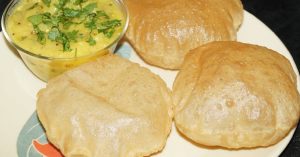
Ready-to-cook idli batter alternatives, dosa premixes, and poori mixes can support a balanced diet when chosen carefully. Checking ingredient lists and opting for products that avoid artificial colors or unnecessary additives makes all the difference.
Myth 2: Premix Foods Lack Nutritional Value
Many assume premix foods are empty calories with no real nutrition. In reality, well-made premixes retain much of the nutritional value of the original ingredients.
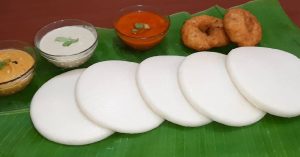
Idli and dosa premixes made from rice and urad dal offer carbohydrates and plant-based protein. Moong dal chilla mixes are naturally high in protein and fibre, making them suitable for breakfast or light meals. Even ready-to-cook poori mixes provide energy when prepared and consumed in moderation.
Nutrition in premix food depends on formulation and portion control. When used mindfully, these products can complement modern, fast-paced lifestyles without sacrificing nourishment.
Myth 3: Ready-to-Cook Food Is Only for People Who Don’t Like Cooking
Using premix food is often wrongly associated with laziness. In reality, ready-to-cook options are designed for people who value both time and taste.
Busy professionals, students, working parents, and even experienced cooks use premix foods to simplify routine meals. Preparing dosa or idlis from scratch requires soaking, grinding, and fermentation, which is not always practical on busy days.
Ready-to-cook dosa and idli mixes allow people to enjoy familiar meals without extensive preparation. Choosing convenience does not mean giving up on cooking; it means cooking smarter.
Myth 4: Premix Foods Are Full of Preservatives
Preservatives are a major concern for many consumers. While some packaged foods rely heavily on additives, not all premix foods fall into this category.
Advancements in food processing, dehydration techniques, and hygienic packaging have reduced the need for chemical preservatives. Many ready-to-cook premixes maintain shelf life through moisture control and sealed packaging rather than artificial ingredients.
A good premix should smell fresh, cook evenly, and taste natural. If the ingredient list is short and recognisable, it’s a sign that the product is designed for everyday cooking rather than long-term storage with chemicals.
Myth 5: Premix Foods Don’t Taste Like Home-Cooked Meals
Taste is one of the biggest concerns when it comes to premix food. Many people expect packaged mixes to feel bland or artificial.
In reality, taste depends on recipe balance and spice blending. Several premix foods are inspired by regional cooking styles and traditional methods. When cooked properly, they can deliver familiar textures and flavours.
From soft idlis and crisp dosas to flavourful poha and chillas, ready-to-cook food can recreate the comfort of home meals. Simple additions like fresh vegetables, ghee, or chutneys can further enhance the experience.
Myth 6: Choosing Premix Food Means Compromising Control
Some believe that premix food takes away personal choice. This is far from true.
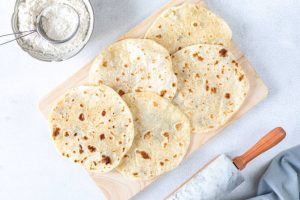
Premix foods are flexible by nature. You can adjust spice levels, add ingredients, or modify textures according to preference. A ready-to-cook poori mix can be rolled thinner or thicker. Dosa batter mixes can be used for uttapams or paniyarams. Chilla mixes can include grated vegetables or herbs.
Instead of limiting creativity, premix foods provide a base that adapts to individual tastes and cooking styles.
Why Satchmo Foods Stands Out in the Premix Food Segment?
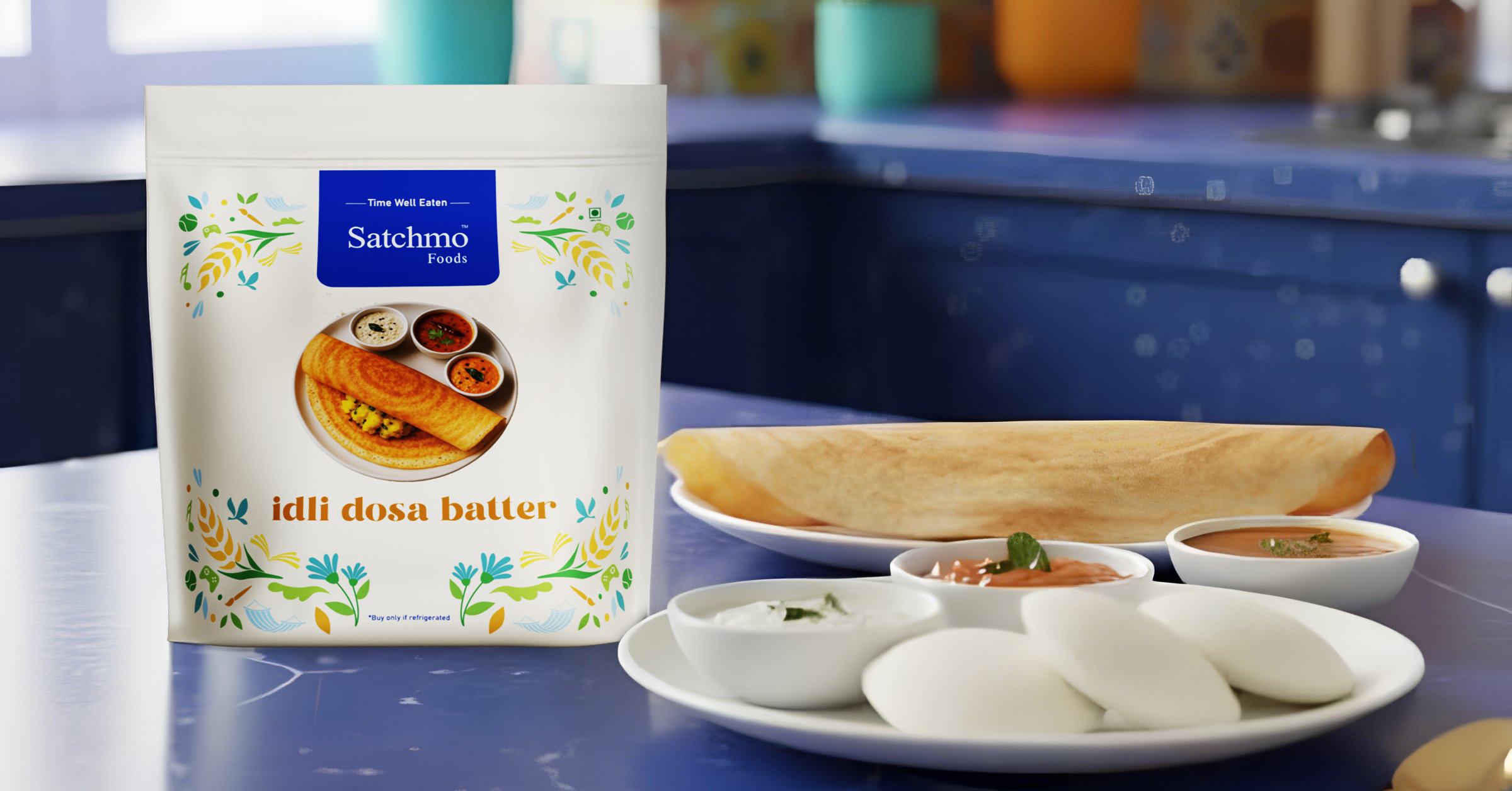
Satchmo Foods focuses on delivering ready-to-cook food solutions that balance convenience, taste, and quality. Our approach is rooted in understanding modern kitchens while respecting traditional food habits.
What makes Satchmo Foods a reliable choice:
- Uses carefully selected ingredients suitable for everyday cooking
- Offers consistent quality across ready-to-cook idli batter, dosa, and poori mixes
- Emphasises hygiene and controlled processing methods
- Supports quick preparation without compromising flavour
Satchmo Foods understands that premix food is not just about speed. It is about trust, reliability, and delivering meals people can enjoy with confidence.
Rethinking Premix Foods with the Right Perspective
Premix foods are no longer a compromise or a shortcut. They are a practical response to changing lifestyles and evolving kitchen needs. When chosen wisely, ready-to-cook foods can be nutritious, flexible, and satisfying.
The key lies in understanding ingredients, cooking methods, and selecting dependable brands. Whether you are preparing a quick breakfast or managing a busy household, premix foods can support consistency and efficiency.
At Satchmo Foods, we take this commitment further by offering reliable ready-to-cook solutions, including our role as a trusted ready-to-make poori supplier, delivering products that balance convenience with authentic taste. Our offerings are designed to meet modern expectations without losing the essence of traditional cooking.
Choose Satchmo Foods today and make everyday cooking simpler, smarter, and more reliable.
FAQs
1. Are premixes safe for daily consumption?
Yes, premix foods can be eaten normally if such foods are prepared using quality ingredients and if they follow the preparation guidelines. Selecting ready-to-cook foods without artificial additives and focusing on balance in portions can assist in daily meal consumption.
2. Are ready-to-cook foods preservative-free?
Not all premix foods use preservatives. Many food manufacturers use clean processing, dehydration, and packaging techniques that keep foods fresh without preservatives. It is important to check the ingredients label for clarity.
3. Can premix foods supply similar tastes as homemade foods?
If made properly, premix foods can come close to the taste of homemade food. It can be further improved just by adding some vegetables, ghee, and chutneys to it.
4. How can premix foods be stored to keep them fresh?
The premixes should always be packed in a cool, dry place, away from any moisture. To extend the shelf life of premixes, once opened, it is important to seal the container tightly or repack the premix in an airtight container.